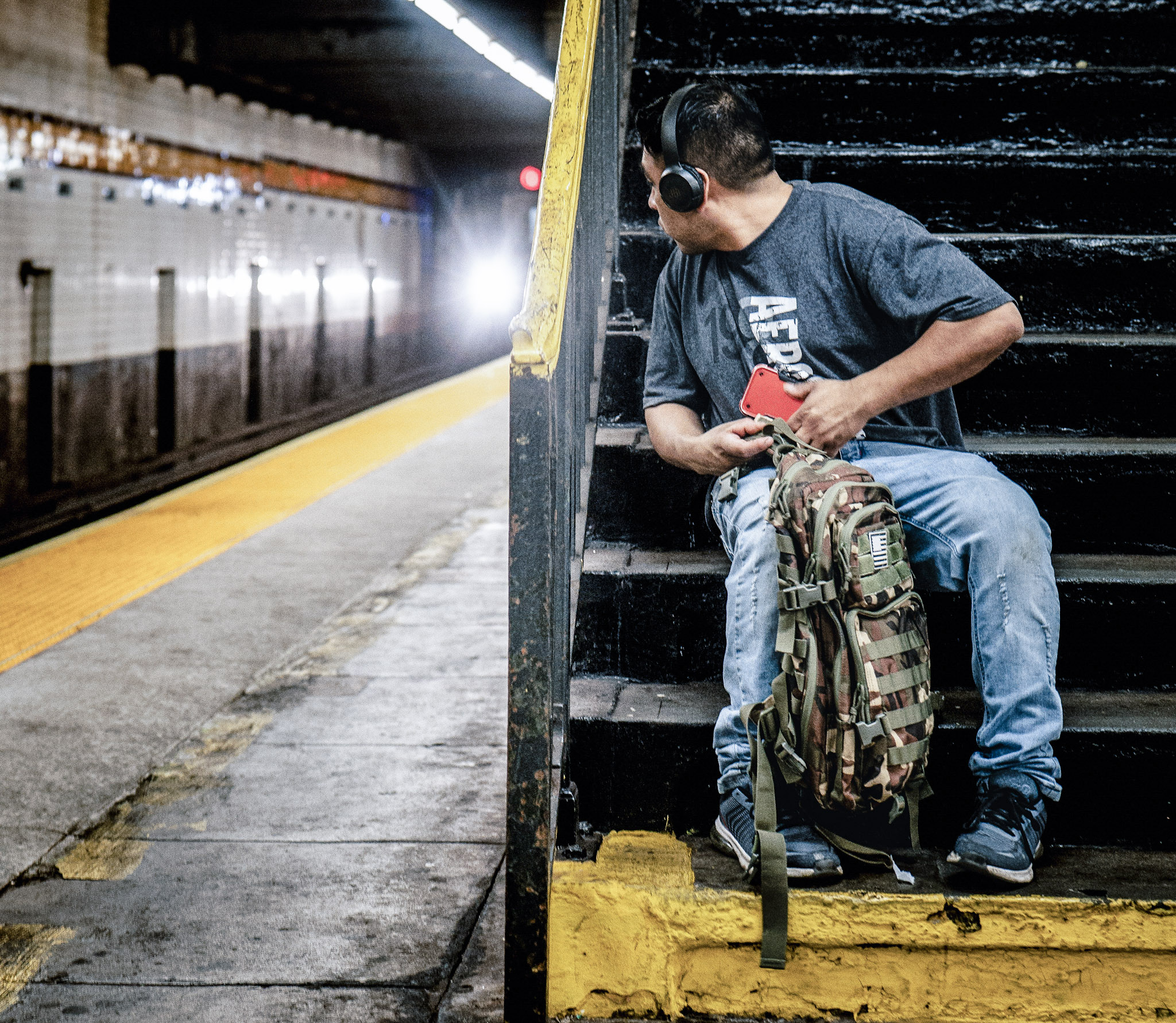
If your commute depends on the G, this summer is not business as usual. The MTA is continuing a multi-year project to modernize signals and upgrade infrastructure on the line, which means repeated shutdowns and service changes on nights and weekends.
Official service notices show multiple June weekends with G service suspended on key stretches, along with weeknight service changes during parts of the month. For riders in East New York, who often rely on transfers through Downtown Brooklyn or North Brooklyn to reach jobs, school, and medical appointments, those shutdowns can easily turn into missed shifts and late arrivals if you don’t plan ahead.
Key dates and segments to watch
According to current MTA advisories, G line riders should expect June weekends with shutdowns north of Bedford–Nostrand, including June 5 to 8 and June 19 to 22 for signal work. On those weekends, from Friday night through early Monday, trains do not run between Court Sq and Bedford–Nostrand Avs, and shuttle buses replace service along the affected section.
Additional summer closures and overnight service changes are also listed as the modernization project continues. Local officials have warned that the cumulative shutdowns could add up to nearly 40 percent of 2026 weekends without full G service, though riders should always double-check the latest advisories before leaving home because exact dates and station impacts can change.
How East New York riders rely on the G
East New York does not sit directly on the G, but many residents depend on it through transfer points in other parts of Brooklyn. Common patterns include taking the A, C, J, Z, or L from East New York or Broadway Junction, then connecting to the G at Hoyt–Schermerhorn, Bergen Street, or further north.
Many riders also use the G to move between Brooklyn neighborhoods without going through Manhattan, which is one of the line’s biggest advantages when service is normal. When the G goes down, those crosstown trips become slower, more fragile, and more expensive in time.
Alternatives and workarounds
For jobs in Downtown Brooklyn or near Fulton Street, staying on the A or C and then walking or using a short bus connection may be more reliable than trying to chase shuttle buses back to the G. Riders traveling toward Williamsburg or Queens may also be able to replace some G trips with a J or Z transfer to the M, depending on the destination.
During targeted closures, the MTA runs shuttle buses to connect G riders between key stations, and station posters often provide route-specific transfer details. If you normally transfer to the G, build extra time into the trip and screenshot the alternate route before you go underground in case your signal drops.
Before you leave the house
- Check MTA.info or the MYmta app for G line service changes the night before your trip.
- Look for construction posters at Broadway Junction and other major transfer points.
- Build an extra 15 to 30 minutes into your trip if you normally connect to the G.
- Save your alternate route and shuttle information before heading underground.
Summer 2026 might not be the smoothest season for G riders, but the right information can help East New York commuters avoid being caught off guard before the weekend starts.