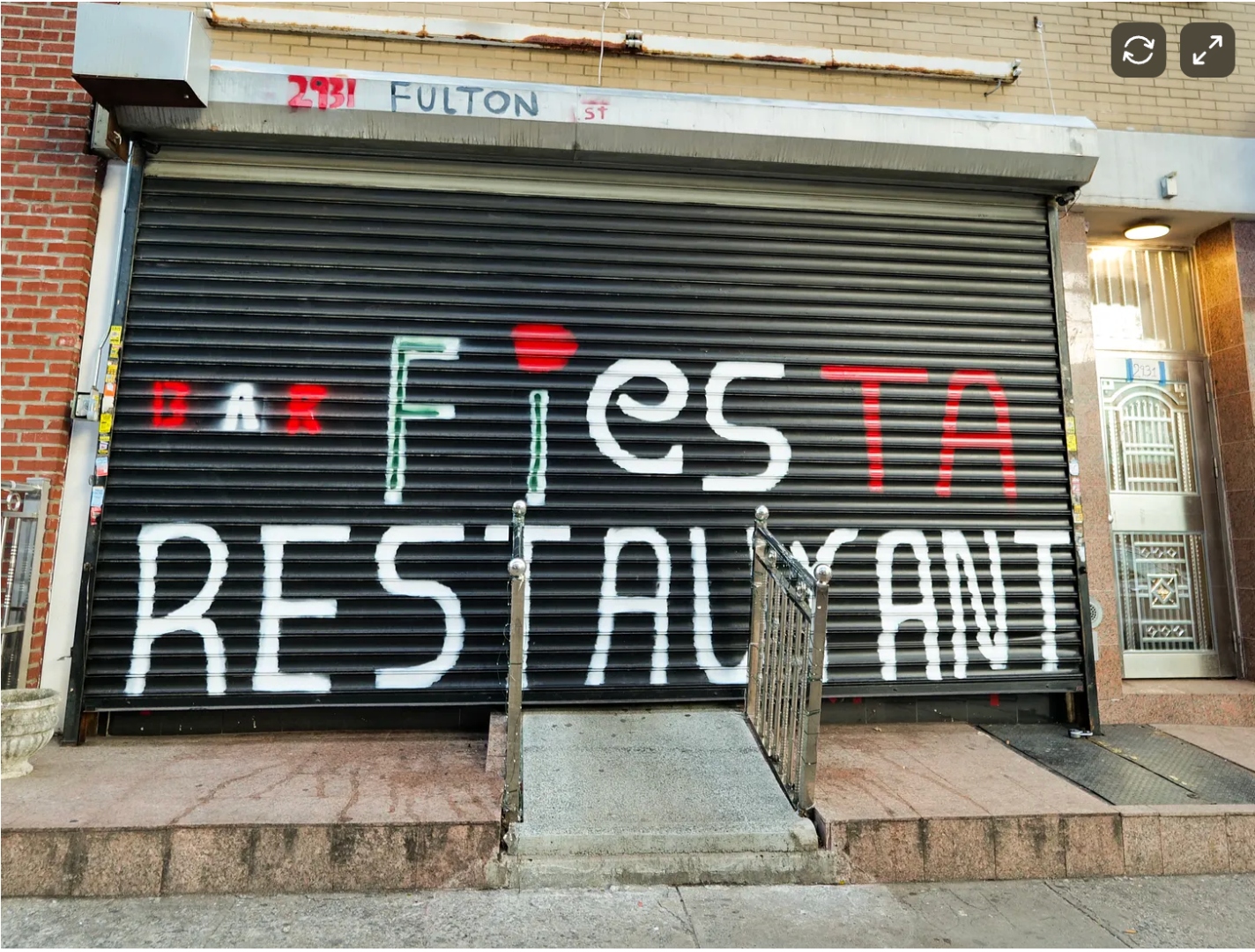
East New York, Brooklyn — Community Board 5 members found themselves caught in an uncomfortable position: trying to protect residents' quality of life, help a struggling small business owner in distress, and navigate a liquor-license process that ultimately left them with only one formal choice — yes or no.
The tension surfaced during a meeting reviewing two restaurant liquor-license matters in East New York, where board members debated complaints tied to Fiesta, a neighborhood establishment whose backyard patio has drawn concerns from nearby residents.
The Limits of Advisory Power
The discussion illustrated the limited authority community boards have in New York City's liquor licensing process. While boards often mediate neighborhood disputes and review applications, their role is advisory. They can only recommend approval or opposition to the New York State Liquor Authority, which makes the final decision.
For Fiesta, the committee repeatedly returned to the same unresolved issue: a backyard patio operating in a dense residential setting. Members said the patio had become a significant issue in the community, particularly during the summer months when outdoor activity can carry into surrounding residential blocks.
An Emotional Exchange
During the discussion, the owner of Fiesta appeared visibly emotional while addressing the committee and began crying as she spoke in Spanish, saying she did not know how to defend herself in the situation. Board members attempted to reassure her.
"We value your business. We want you to stay in business. We're not looking to deny your renewal. We're looking to work with you."
Even as members expressed sympathy for the owner's situation, they emphasized that neighborhood concerns had to remain the priority. One member reminded the room that the committee's responsibility is public safety and quality of life, not simply the survival of a business facing complaints.
Two Different Outcomes
The contrast with another business reviewed the same evening illustrated how multiple factors shape board recommendations. Members voiced support for Mr. Fire Bar & Grill at 3175 Fulton Street, another establishment seeking approval, despite minor issues with its paperwork. Committee members cited the absence of precinct objections and spoke positively about the business's role in the community.
The differing outcomes highlighted how community boards weigh a range of considerations — from complaint history to neighborhood impact — when making recommendations.
By the end of the meeting, the debate over Fiesta had become about more than one restaurant. It exposed the narrow space community boards occupy in neighborhood disputes: they are often expected to mediate between residents and businesses, even when the licensing process gives them little room to do more than recommend yes or no.